Greenville Condo and Townhome Living: What Buyers Should Know
July 2, 2026
July 2, 2026
If you have been browsing homes in Greenville, you have probably noticed that condos and townhomes can look similar on the surface but live very differently once you own one. That can make it hard to compare monthly costs, maintenance duties, and resale potential with confidence. This guide will help you understand how condo and townhome living works in Greenville, what to look for in the fine print, and which questions can help you make a smarter move. Let’s dive in.
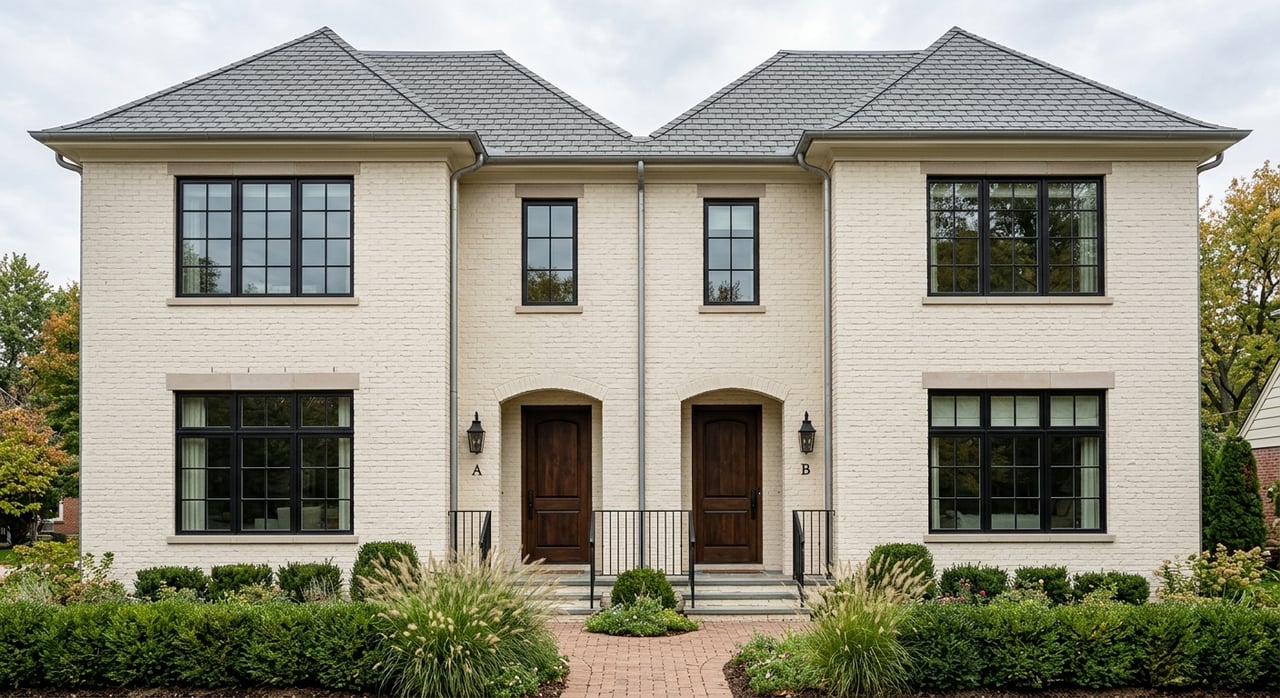
In South Carolina, the biggest difference is not always the exterior style of the home. A condominium is a legal form of ownership where you own a specific unit and share ownership of common elements with other owners.
A townhome, on the other hand, may or may not be a condominium. Some Greenville townhomes are part of a homeowners association where you own the home and lot, while others are townhouse-style condos. That means you should never assume what you are buying based on appearance alone.
The key documents matter more than the architecture. In Greenville, the declaration, bylaws, covenants, and related association documents often spell out what you maintain, what the association maintains, what fees you pay, and what rules apply to the property.
South Carolina does not have one single, comprehensive HOA operations law that answers every question for every community. That is why the governing documents are such an important part of the buying process.
The state disclosure addendum specifically directs buyers to review association-related items before signing. That includes dues, common-area expenses, restrictions, special assessments, parking, storage, transfer fees, and other practical issues that can affect both daily life and resale later.
If you are comparing two similar homes in Greenville, the better value may come down to the association setup rather than square footage alone. A lower list price does not always mean lower monthly ownership costs.
Greenville’s condo options cover a wide range of price points, sizes, and lifestyles. Current listing examples include smaller Eastside units around 700 to 999 square feet, downtown condos with features like gated parking and fitness amenities, and larger units with more upscale finishes and shared amenities.
Some condos include HOA coverage for water, trash, exterior maintenance, and grounds care. Others may offer pools, fitness centers, or private patios. The mix can vary a lot from one community to the next.
Downtown Greenville adds a strong lifestyle angle for condo buyers. The city hosts recurring events like Artisphere, Fall for Greenville, Main Street Fridays, Downtown Alive, Greenville Jazz Fest, and the TD Saturday Market, and the Swamp Rabbit Trail provides a 28-mile greenway connection between Travelers Rest and Greenville.
Parking is another real factor downtown. The city reports more than 8,000 parking spaces, including 800 free on-street spaces, which can matter if a unit has limited private parking.
Townhomes in Greenville also vary widely. You can find practical, lower-maintenance options with garages and HOA-covered exterior work, along with larger upscale residences that offer features like rooftop terraces, elevators, and attached garage parking.
In some communities, the HOA handles the roof, siding, lawn care, and exterior maintenance. In others, you may still have responsibility for certain exterior elements even though the home is in an HOA.
That flexibility is part of the appeal. A Greenville townhome can offer more interior space than a condo while still reducing some of the time and cost that comes with caring for a detached home.
The latest Greater Greenville Housing Supply Overview shows condos as the strongest property type by sales. As of March 10, 2026, condo inventory was up 51.7% year over year, with 4.7 months of inventory and a median sales price of $245,000.
That does not mean every condo is a bargain or that every townhome is priced the same way. It does mean buyers should pay attention to changing inventory, community-specific fees, and how each property compares within its own segment.
In a market like Greenville, where options can range from simple Eastside units to luxury downtown or near-downtown homes, broad averages only tell part of the story. The real value is in understanding the exact property and association you are considering.
One of the biggest misunderstandings with condos and townhomes is the monthly fee. HOA or condo dues are usually separate from your mortgage payment, so they need to be built into your full monthly budget.
Fees can vary widely. Greenville listing examples show one Eastside condo with dues of $211.81 per month, a luxury Biltmore Walk townhome with estimated dues of $400 per month, and other communities advertising lower fees that still include some exterior upkeep and amenity access.
A higher fee is not automatically a bad sign. In many communities, dues may cover things like exterior maintenance, common areas, water, sewer, trash, insurance for shared elements, recreation, and reserve funding.
The better question is this: What expense are you paying through the HOA, and what expense would you still pay on your own? That answer will tell you much more than the fee amount by itself.
This is where many buyers get surprised. One Greenville townhome community may cover lawn care, roof, and siding, while another may cover only shared landscaping and common spaces.
With condos, the association often handles more exterior maintenance, but even then, you need to confirm what the master insurance policy covers and where your personal responsibility begins. Windows, doors, patios, decks, and some interior systems may be handled differently from one community to another.
If you want a lower-maintenance lifestyle, do not stop at the words “HOA maintained.” Read the documents closely so you know exactly what that phrase means in that community.
Property taxes are another piece of the monthly ownership picture. Greenville County says owner-occupied homes that qualify as legal residence receive a special 4% assessment ratio.
Eligible homeowners who are age 65 or older, blind, disabled, or certain surviving spouses may also qualify for a homestead exemption on the first $50,000 of taxable market value. Taxes depend on value, assessment ratio, and millage.
If you are buying as an investor, you should not assume you will qualify for the 4% legal-residence rate. That difference can change your monthly carrying cost more than many buyers expect.
Condos can be more sensitive than detached homes when it comes to financing and resale. Lenders may look not only at your qualifications, but also at the association’s financial stability, the condition of the community, structural issues, major lawsuits, and other project-level concerns.
That means two similar-looking Greenville condos can have very different financing paths. It also means issues that seem minor during a showing can become important later when you sell.
South Carolina’s disclosure addendum reinforces that point by calling out rental restrictions, special assessments, guest rules, pet restrictions, assigned parking, storage, access codes, common-area problems, and transfer fees. These details can affect both your day-to-day experience and your buyer pool when it is time to resell.
If you are serious about a Greenville condo or townhome, these are smart questions to ask early:
The earlier you ask these questions, the easier it is to compare options clearly. That can save you from falling in love with a property that does not fit your budget or long-term plans.
For many Greenville buyers, condo or townhome living works well when convenience matters more than yard space. You may like this type of home if you want less exterior upkeep, a more lock-and-leave setup, or a location that puts you closer to downtown, shopping, commuting routes, or community amenities.
It can also make sense if you are downsizing, relocating, buying your first home, or adding an investment property. The right fit depends less on labels and more on how the community rules, fees, and maintenance setup match your goals.
If you want straightforward guidance while you compare Greenville condos and townhomes, Jason Boozer can help you sort through the details, ask the right questions, and move forward with confidence.
Stay up to date on the latest real estate trends.

Rooted in Simpsonville, I deliver expert guidance and a personalized approach to help you buy or sell with confidence—and achieve exceptional results.
Jason Boozer
148 Milestone Way Ste D Greenville, SC 29615