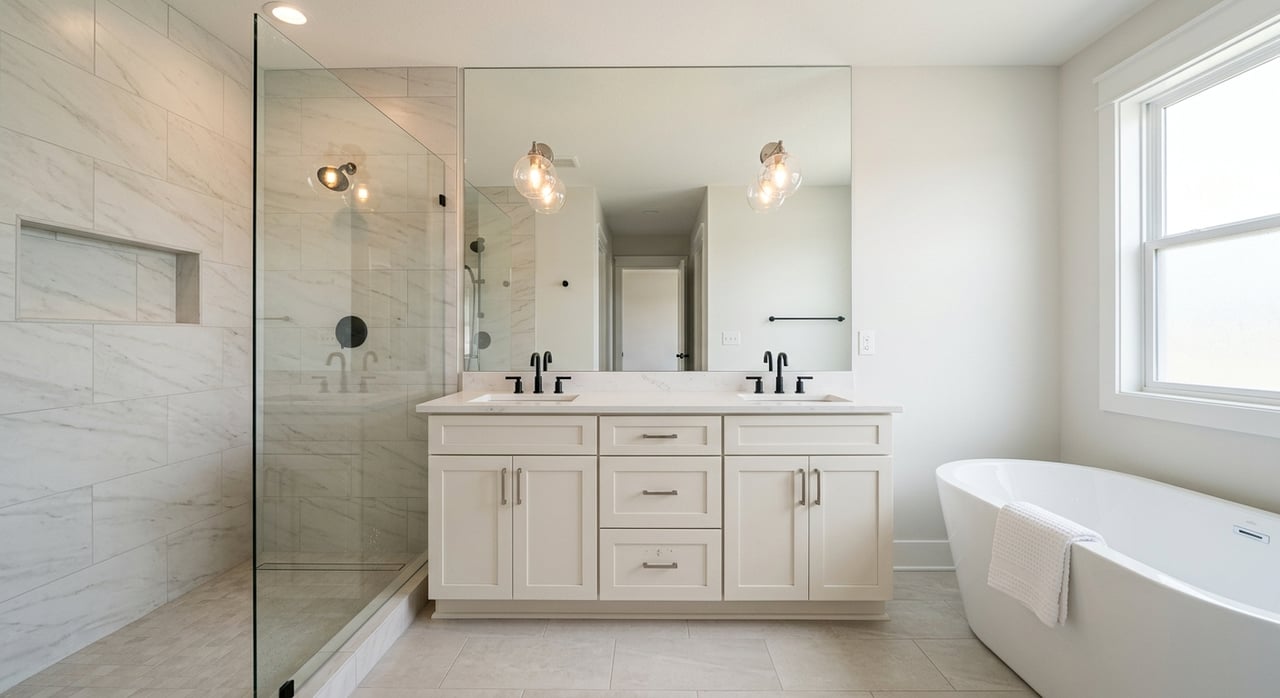
New Construction In Greer: What Buyers Need To Know
June 11, 2026
June 11, 2026
If you are thinking about buying a brand-new home in Greer, you are not alone. This is one of the Upstate’s fastest-growing areas, and new communities can look like an easy answer when resale inventory feels tight or you want modern features from day one. The catch is that new construction comes with its own pricing, timelines, contract terms, and builder rules, so it helps to know what to ask before you sign. Let’s dive in.
Greer has seen strong growth for years, with the city reporting population growth averaging about 4% annually since 2014 and projections approaching 75,000 residents by 2030. Its location along I-85 and access to major employers like BMW, Michelin, and Greenville-Spartanburg International Airport continue to support housing demand.
For you as a buyer, that usually means two things. First, builders keep bringing new inventory to market in different price points and property types. Second, availability can change quickly when demand is high.
Greer’s new-home market includes single-family homes, townhomes, and larger planned neighborhoods. Across many current communities, you will see one- and two-story layouts, open living areas, attached garages, and primary suites placed either on the main floor or upstairs.
Some communities also lean into low-maintenance living, shared amenities, or more walkable layouts. That can be helpful if you want newer construction without taking on as much exterior upkeep.
Here is a snapshot of the kinds of options buyers are seeing in the Greer area right now:
One detail many buyers miss is that some communities marketed as Greer are technically located in Spartanburg County rather than Greenville County. Marketing names and mailing addresses do not always tell the full story.
That matters because county location can affect how you understand the property’s official location and closing details. Before you move forward, make sure you verify the parcel location instead of relying only on the community name or city label in the marketing.
One of the biggest surprises in new construction is how often the advertised price is just the starting point. Builders typically quote a base price, but your final price can rise once you add lot premiums, structural changes, or finish upgrades.
Community pages also make clear that pricing and features can change. In practical terms, that means the model home or marketing materials may show features that are not included in the standard price.
When you compare homes, ask for a clear breakdown of:
This step can help you compare communities more accurately instead of comparing a base price in one neighborhood to an upgraded home in another.
Builder incentives can be helpful, but they are usually conditional. In Greer, current examples show that incentives may be tied to using a recommended lender, and in some cases a recommended closing attorney as well.
For example, O’Neal Village advertises a $15,000 buyer incentive tied to a recommended lender and attorney. Juniper Ridge advertises a $10,000 buyer incentive tied to a recommended lender.
That does not mean you are required to use the builder’s lender. Consumer guidance from CFPB says you do not have to use that lender, but you may give up the incentive if you choose another financing route.
Before you count an incentive as savings, ask exactly how it works. Not all credits help you in the same way.
Ask these questions in writing if possible:
This matters because a headline incentive can sound generous, but the real value depends on the terms attached to it.
Buying new construction is not just a home search. It is also a construction process. In Greer, active listings and builder inventory show homes in different stages, including move-in ready, under construction, coming soon, and temporarily sold out.
That means your timeline may depend on whether you are buying a completed home, a home already underway, or a lot where building has not started yet. If you need to move by a certain date, this should be one of your first conversations with the builder and your agent.
The City of Greer requires permits before work begins, and the contractor is responsible for obtaining them. The city also inspects work for code and zoning compliance and may consider factors like floodplain location, road frontage, and other lot-specific issues before issuing a permit.
For you, the takeaway is simple: construction timing is affected by more than just labor and materials. Lot conditions, permitting, and inspection steps can all influence when a home is ready.
A new home is still a home under construction, and new does not always mean perfect. CFPB recommends using an independent home inspector and scheduling the inspection early.
If your contract includes an inspection contingency tied to satisfactory results, you may be able to cancel without penalty if the property is not acceptable. That is one reason it is smart to understand inspection terms before you sign, not after an issue turns up.
Many buyers assume a builder warranty covers everything. It does not. The FTC explains that a builder warranty is different from a home warranty or service contract, and the exact coverage depends on the builder’s written terms.
In many new homes, builder warranties commonly cover workmanship and materials for about one year, systems such as HVAC, plumbing, and electrical for about two years, and major structural defects for up to 10 years. Still, coverage and claim procedures can vary, so you should read the actual warranty carefully.
For many buyers, the decision comes down to whether the benefits of new construction match their priorities. A brand-new home can offer newer systems, builder warranty coverage, and the chance to choose finishes, but it may come with less flexibility on timing and price than a resale home.
Here is a simple comparison:
| Factor | New Construction | Resale Home |
|---|---|---|
| Condition | Brand-new systems and materials | Varies by age and upkeep |
| Customization | May allow finish or layout choices | Usually sold as-is with existing features |
| Timeline | Can vary based on construction stage | Often faster for immediate occupancy |
| Pricing | Base price may rise with options | Price usually reflects current condition and features |
| Warranty | Builder warranty may apply | Coverage depends on negotiated terms or separate plans |
Neither option is automatically better. It depends on your budget, timeline, and how much customization matters to you.
Builder representatives know their communities well, but their role is tied to the builder’s transaction. If you are comparing neighborhoods, floor plans, incentives, upgrade costs, and delivery dates, it helps to have someone focused on your side of the process.
A buyer’s agent can help you sort through what is included, what costs extra, how deadlines affect incentives, and how one community compares to another in the broader Greer market. In South Carolina, a licensed attorney must supervise the closing, so coordination between your lender, attorney, and agent matters too.
If you want to avoid surprises, go into your first builder conversation with a short list of practical questions.
Start with these:
These questions can give you a much clearer picture of the total cost and overall process.
If you are weighing new construction in Greer, the right next step is to compare communities carefully, verify the fine print, and make sure the home fits both your budget and your timeline. For one-to-one guidance from a local Upstate agent who will help you think through the details without the pressure, reach out to Jason Boozer.
Stay up to date on the latest real estate trends.
Rooted in Simpsonville, I deliver expert guidance and a personalized approach to help you buy or sell with confidence—and achieve exceptional results.
Jason Boozer
148 Milestone Way Ste D Greenville, SC 29615